


Comparison of database providers for car navigation systems
A car manufacturer needed to identify the best available database for the European market to provide accurate and reliable address information and...

Practical. Proven to success. Tailor-made. Learn more about our case studies.
1 min read
Automotive
An automotive manufacturer conducted comprehensive testing of its navigation system’s overall functionality under real-world conditions for its non-European headquarters.
The testing scope included various navigation platforms across both legacy systems and new electric and hybrid vehicles. The high complexity of these platforms within the context of the overall vehicle architecture necessitated a combination of experience-based and exploratory testing.
Tests were conducted manually both inside the vehicle and on hardware-in-the-loop (HiL) test benches. Navigation was evaluated from the user’s perspective, covering voice control, route calculation, and real-time traffic data. All results were systematically documented and analyzed.
The test results contributed to the targeted development of market-aligned and efficient navigation software, ensuring a high-quality user experience.

Over a period of several months, various navigation systems were tested directly in the vehicle using proprietary software, hardware, firmware and different map and live data providers. The tests covered vehicles of all drive types, including hybrid, electric, petrol and diesel, as well as older models with new updates and newer models with current or not yet introduced platforms. While some systems ran with established software versions, others were tested with staging software, which required special attention.
The tests included map and routing data, live data integration (traffic situation, weather, parking situation, etc.), voice recognition and voice control, system stability and user-friendliness. Among other things, roads, junctions, traffic circles, lanes, topographical maps, POIs, traffic data and charging infrastructure for electric vehicles were tested. Particular emphasis was placed on the consistency of the navigation data, especially with regard to updates and precise ETA calculations.
As the test requirements often changed at short notice, experience played a crucial role. Exploratory testing helped to identify potential weaknesses, while close coordination between testers and the international team enabled efficient implementation.
All test results were systematically recorded in Jira and supplemented by logs, photos, videos and reports that allowed detailed analyses of route calculation, map display, system reactions, camera and sensor data as well as usability aspects. This comprehensive documentation enabled the test results to be passed on directly to the developers, who immediately rectified many of the problems identified. The findings thus led to immediate improvements in the navigation software and continue to contribute to the long-term optimization of the system.
We know our way around navigation systems and look forward to exchanging ideas.

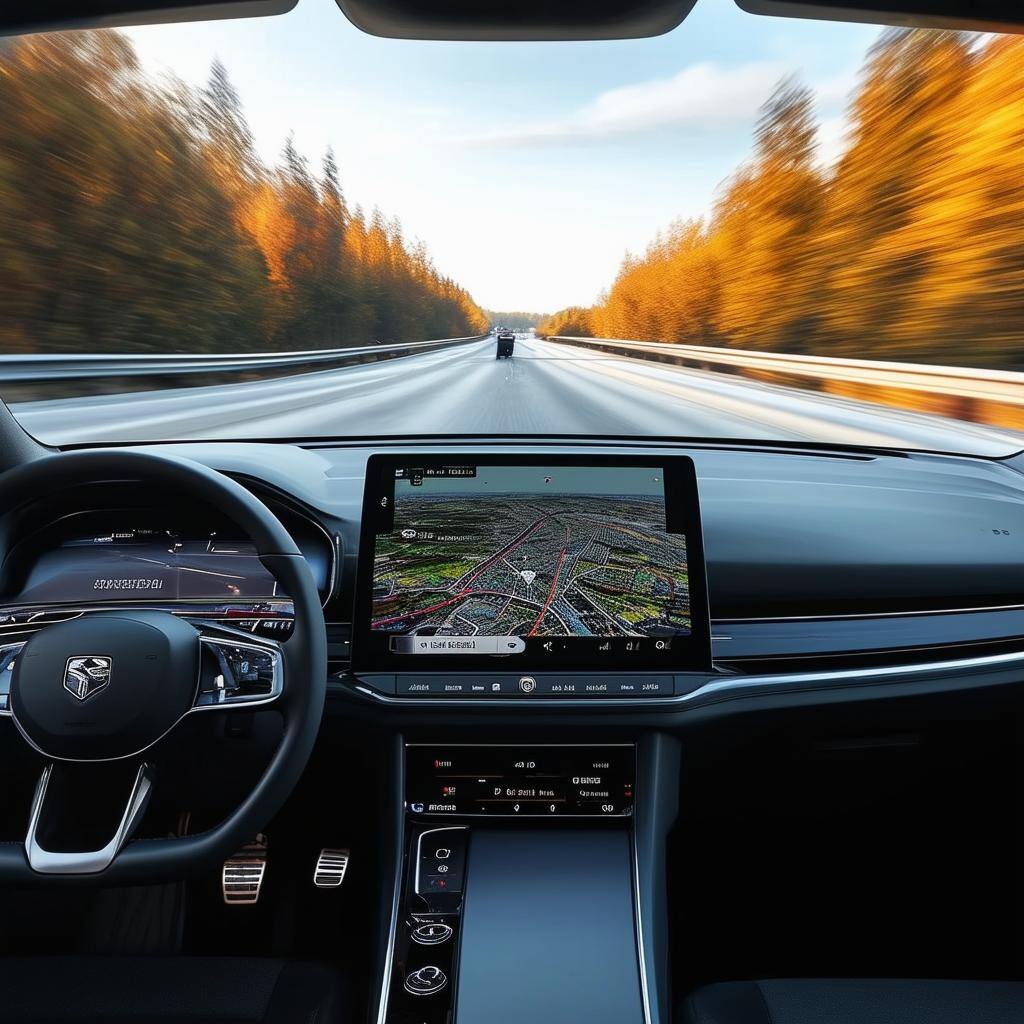
A car manufacturer needed to identify the best available database for the European market to provide accurate and reliable address information and...
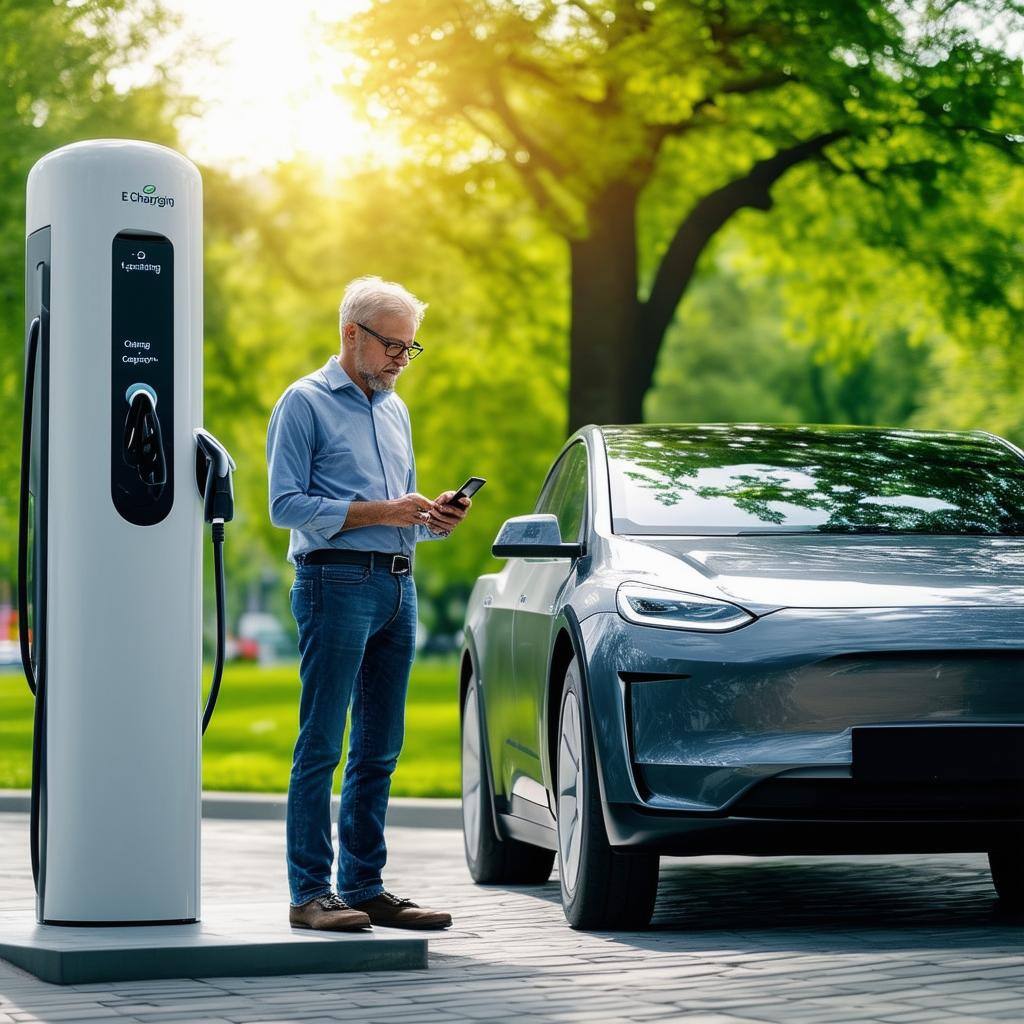
Field tests to optimize e-charging live data Imagine you are driving your electric vehicle on the highway and realize that you will soon need a...
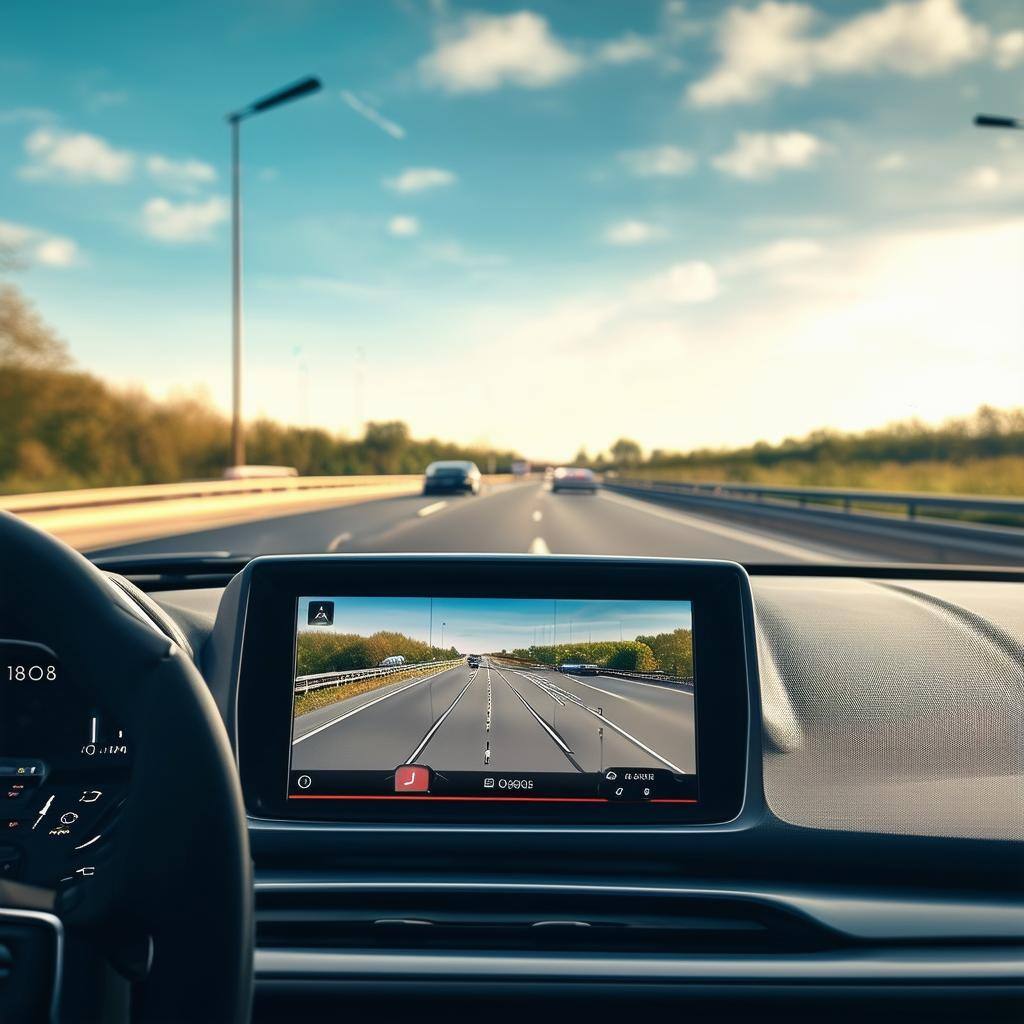
Effective navigation testing under real conditions To ensure reliable navigation, defined routes are tested and live data such as traffic jams or...